INSIDE SECOND NATURE
For as long as I can remember, I've been drawn to flowers. Fresh bouquets, pressed botanicals, floral fabrics and garden cuttings have always found their way into my home. But over time I began noticing something else entirely: the abundance of artificial flowers surrounding us.
Silk blooms sit in waiting rooms and shopping centres. Plastic plants decorate cafés and office spaces. Synthetic butterflies adorn children's bedrooms and gift shops. Many of these objects are beautiful in their own right, yet they exist entirely outside the natural cycles of growth, decay and seasonality.
I became increasingly interested in this tension between the real and the artificial and, more importantly, how often we no longer notice the difference.
Second Nature grew from this observation.
The exhibition explores our relationship with imitation and asks what happens when artificial versions of nature become so familiar that they begin to replace our experience of the real thing. It is also a project about trust. How much faith do we place in our own perceptions? Why do we place such value on authenticity? And what happens when something that appears natural turns out to be entirely fabricated?
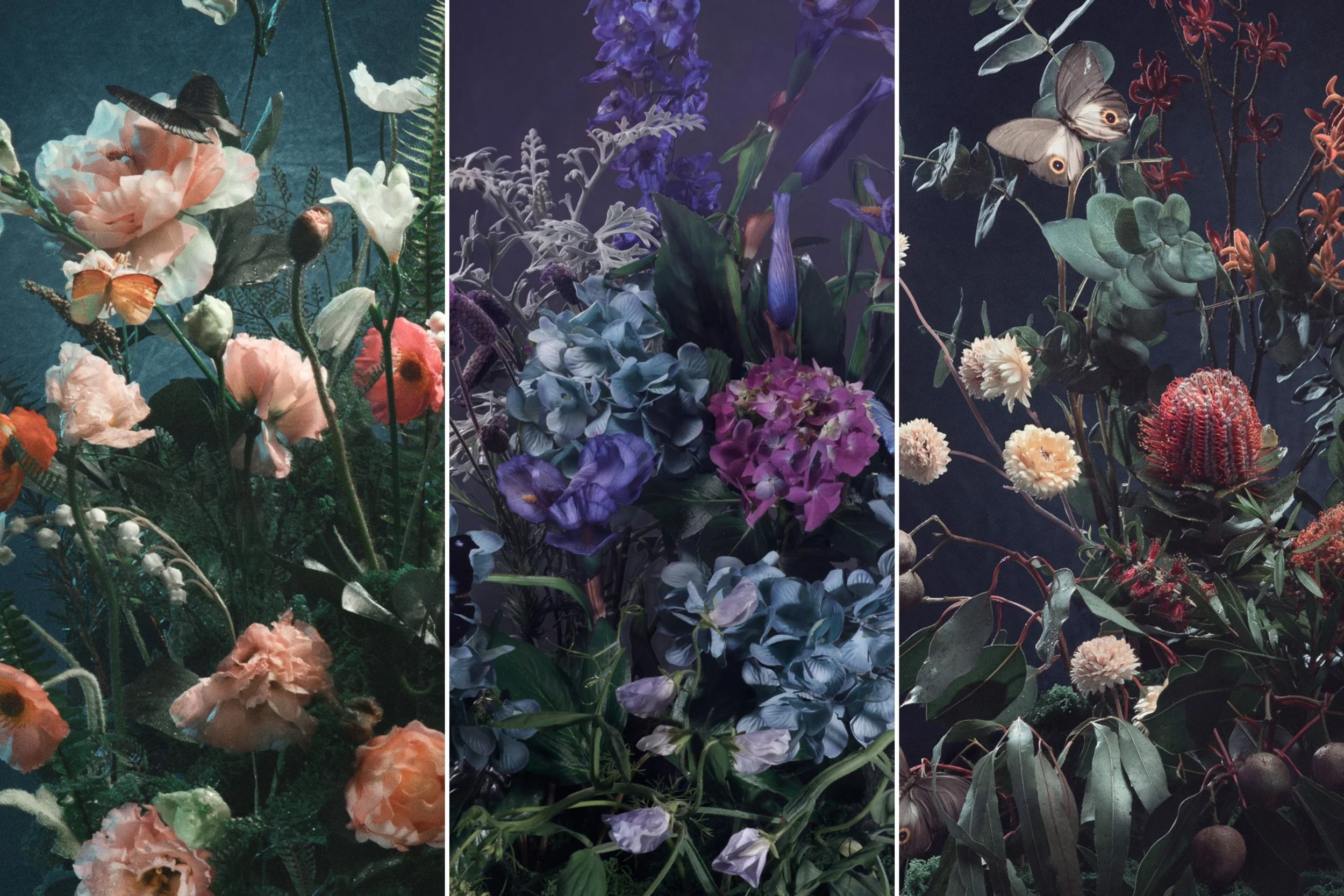
Detail of Constructed Garden #3, #6, #2
Throughout the exhibition, certainty is deliberately disrupted. Flowers are not always what they seem. Butterflies appear both real and synthetic. Labels become unreliable and familiar objects take on new meanings. The work asks viewers to slow down and look more closely.
The exhibition unfolds across several interconnected bodies of work.
Constructed Gardens
The Constructed Gardens are miniature worlds built from a mixture of real and artificial flora and butterfly specimens. At first glance, the scenes appear familiar and inviting, but closer inspection reveals small inconsistencies and moments of uncertainty. These photographs sit somewhere between reality and fiction, creating spaces that feel both beautiful and slightly unsettling.
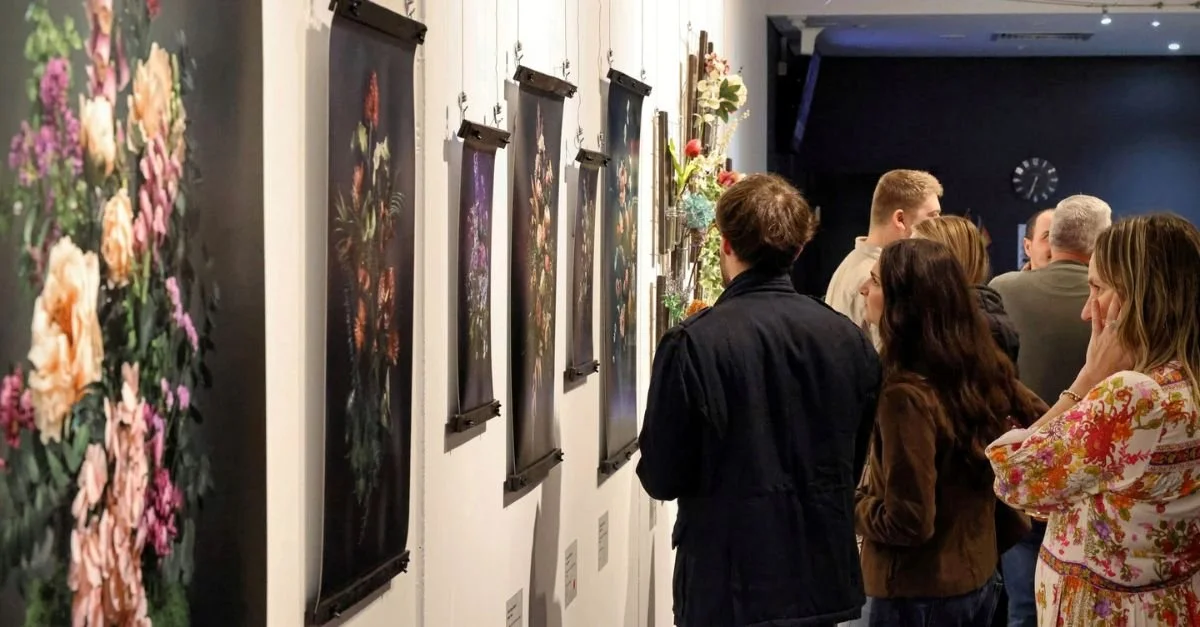
Vanitas in Plastic
Drawing on the tradition of seventeenth-century Dutch vanitas painting, Vanitas in Plastic replaces symbols of wealth and mortality with contemporary objects of abundance and consumption. Artificial flowers, party remnants, branded packaging and plastic fruit become contemporary memento mori, reflecting on our relationship with excess, permanence and desire.
A feast of false abundance
Paired Studies
The Paired Studies isolate two seemingly identical specimens - one natural and one artificial. By removing context and presenting them side by side, the works challenge our confidence in our own perception. The question is not simply which one is real, but why we feel such a strong need to know.
Install image of Paired Study - Poppies and Paired Study - Orchids
Cabinet of Curiosities
The Cabinet of Curiosities extends these ideas into a fictional archive of collected specimens and found objects. Pressed botanicals, souvenir shells, fragments of language and fabricated specimens invite visitors to become active participants, opening drawers and questioning the systems we use to categorise and understand the world around us.
The Cabinet of Curiosities, install view.
Bringing Second Nature to life within the spaces of Cube 37 allowed the project to expand beyond the photographic frame. The exhibition became an immersive environment where photographs, objects and interactive elements could sit alongside one another and encourage a slower, more curious form of looking.
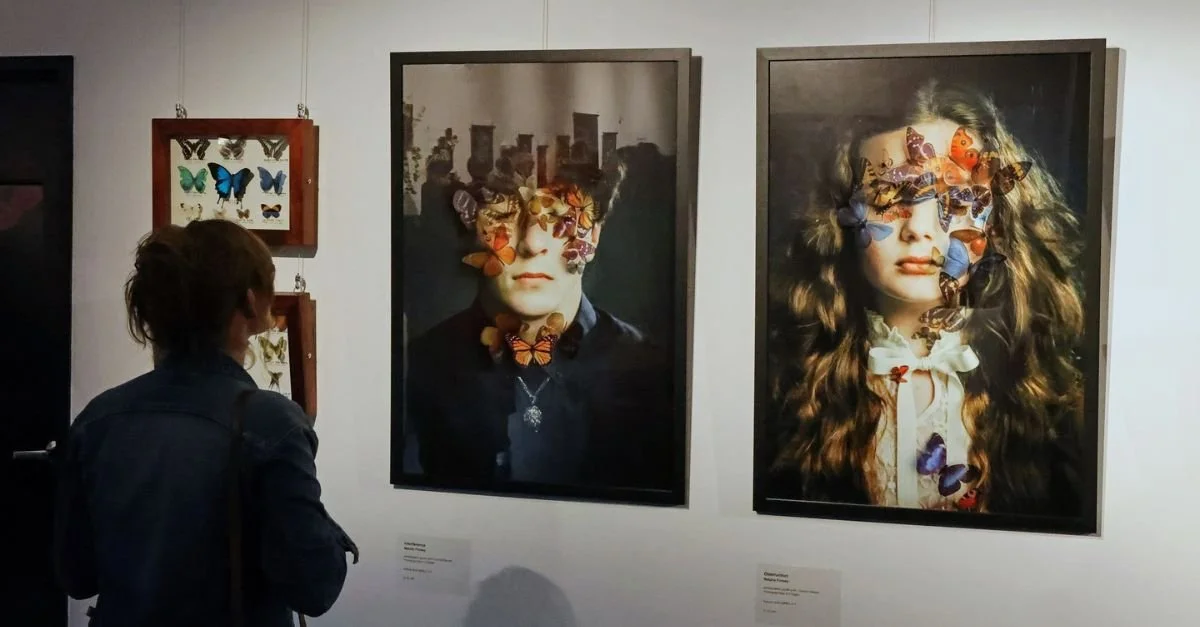
‘Interference’ and ‘Obstruction’, opening night event.
One of the greatest joys of exhibiting the work has been watching visitors spend time with the details - leaning closer to inspect a flower, opening a drawer, or realising that something they thought they understood may not be what it first appeared to be.
Ultimately, I hope Second Nature leaves people with a renewed sense of curiosity. To look a little longer. To question their assumptions. And perhaps to reconsider the increasingly blurred line between the authentic and the artificial in the world around us.